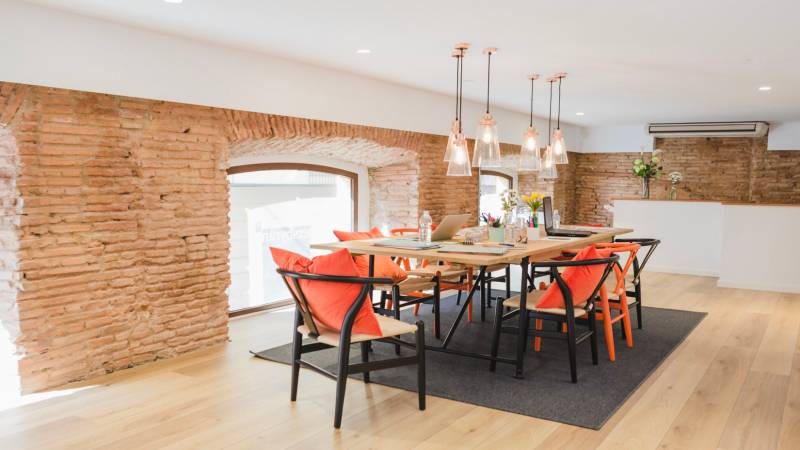
Decorating a house is one of the easiest ways to make a place feel warm, personal, and comfortable. You don’t need a big budget or a designer to start. Even small changes can make a big difference in how a room looks and feels. It can be as simple as moving furniture around, adding a few colorful cushions, or putting up pictures that make you smile. The main idea is to create a space that reflects who you are and makes you feel relaxed when you walk in.
When you decorate, think about light, color, and space. Natural light makes a room feel open and fresh, while soft colors on the walls can make it feel calm. Plants are also a great addition because they bring life and a bit of nature indoors. Remember, a well-decorated home is not about filling every corner with things. It’s about choosing items that you love and arranging them in a way that feels balanced and neat. Start with one room, take your time, and enjoy the process of making your house feel more like home.
How can Mood-Adapting Lighting change the feel of your room?
Mood-adaptive lighting is one of the simplest ways to change how your room feels without moving any furniture. It works with smart bulbs or LED strips that can shift their color and brightness based on the time of day or what you need. In the morning, the light can be bright and cool to help you feel awake and ready to start the day. In the evening, it can turn soft and warm to make the space feel calm and relaxing.
This kind of lighting is helpful because light has a big effect on how we feel. A warm light makes a living room feel cozy for family time, while a soft, dim light can make a bedroom feel peaceful before sleep. The best part is that you don’t need to buy new lamps or redo your wiring. Most smart bulbs fit into your existing holders, and setup is quick. Start with one lamp or one corner, try different colors, and see how it changes the vibe of your space. It’s a small change that makes your home feel more personal and comfortable every day.
How can decor help make your home quieter and calmer?
Soundscaping with decor is about using things in your room not just to look nice, but also to make the space feel calm and quiet. Every home has sounds that bounce around, like voices, footsteps, or noise from outside. Hard surfaces like bare floors, glass, and plain walls make these sounds echo and feel loud. You can soften this by adding soft items that absorb sound. A thick rug on the floor, curtains on the windows, and cushions on the sofa all help reduce echo and make voices sound softer. Even a fabric wall panel or a bookshelf full of books can make a big difference.
The good part is that you don’t need to buy special soundproofing. You just need to think about texture and softness when you decorate. If a room feels too noisy or hollow, try adding one soft item at a time and notice the change. This makes your home feel more peaceful for talking, relaxing, or working. It’s a simple way to use decoration to improve how your space feels every day, not just how it looks.
Why are Biophilic corners, and why should you try them at home?
Biophilic corners are small spots inside your home where you bring a bit of nature to make the space feel calm and fresh. You don’t need a big garden or a lot of space for this. Even a 1 to 2 square feet area can work well. The idea is to mix simple natural things like a small plant, a piece of wood, and maybe a tiny water bowl or fountain. These elements help create a peaceful feeling, especially in rooms where you rest. People like biophilic corners because they make a room feel alive without adding clutter. Plants like pothos, snake plant, or peace lily are easy to care for and do well indoors. A small wooden tray or a stone can add texture, and the sound of gentle water makes the corner feel more relaxing. You can place this corner near a window, in a hallway, or on a side table in the living room.
A simple tip is to start with one plant and one natural object. Place them together and see how it changes the feel of the area. Over time, you can adjust it to match your style. It’s an easy, low-cost way to make your home feel more connected to nature and more comfortable to live in.
Zoned spaces without walls
Zoned spaces without walls help you use one room for different activities without making it feel crowded. You can separate areas for work, rest, or hobbies using simple things like rugs, lights, and furniture placement. For example, place a rug under a desk to mark a work zone, and use a lamp and sofa to create a reading corner. Different light levels also help your eyes know which area is for focus and which is for relaxing. This idea is useful in small homes where rooms have to do more than one job. A practical tip is to keep each zone simple and avoid mixing too many items, so the space stays neat and easy to use.
Conclusion
Decorating a house is not just about making it look nice for others. It is about creating a space where you feel calm, happy, and comfortable every day. You don’t need expensive items or a perfect plan to start. Small steps like changing the light, adding a plant, or rearranging furniture can make a big difference. The goal is to choose things that match your style and make your home feel personal.
When your space feels good, it also helps your mood and daily routine. A well-decorated home gives you a place to relax after work, focus when you need to, and enjoy time with family and friends. Start with one corner or one room, and build from there at your own pace. Remember, a home feels best when it reflects who you are and supports how you live. Click here to see more information.